Established 1998 • Southeast Asia's Rising Hub
Clothing Manufacturer Cambodia
SDF Clothing serves global fashion brands through Cambodia's emerging textile ecosystem. As a clothing manufacturer with deep expertise in Cambodia's growing garment industry, we offer 300 piece minimum orders, GOTS organic certification, and 13 international quality standards. From startup brands to established labels, we deliver premium garments leveraging Cambodia's competitive advantages and improving infrastructure.
What is a Clothing Manufacturer in Cambodia?
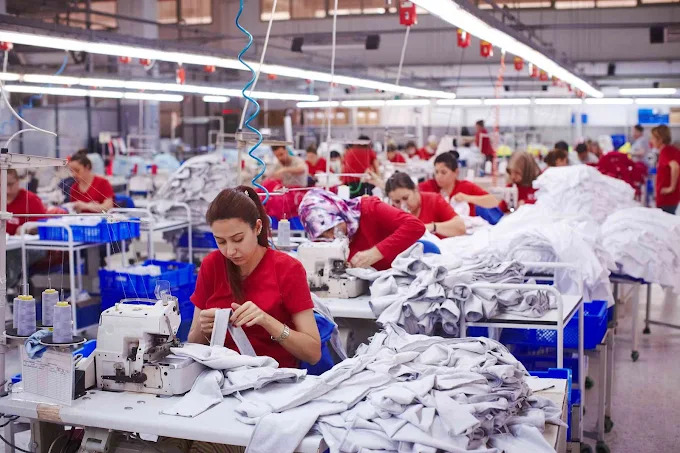
A clothing manufacturer in Cambodia operates within one of Southeast Asia's fastest-growing garment production hubs. Cambodia's textile industry has emerged as a competitive alternative to established manufacturing centers, driven by trade preferences, improving infrastructure, and a focus on compliance. The country's garment sector contributes 40% to GDP and employs over 600,000 workers across approximately 600 factories. Major manufacturing zones include Phnom Penh, Kandal, and Sihanoukville, with concentrations in special economic zones.
Cambodia clothing manufacturers specialize in both knitwear (t-shirts, polo shirts, casual wear) and woven garments (shirts, pants, dresses). The country's advantage lies in competitive labor costs, duty-free access to major markets through trade agreements, and improving labor standards monitored by international programs. Many manufacturers, including SDF Clothing's Cambodia partnerships, offer full-package production services covering fabric sourcing (often imported from Vietnam, China, or Thailand), design development, sampling, manufacturing, quality control, and export logistics. The industry benefits from Cambodia's trade relationships with the EU and US.
According to the Garment Manufacturers Association in Cambodia (GMAC), the country exports to over 60 countries with annual garment exports exceeding $11 billion. Major buyers include H&M, Gap, Levi Strauss, Adidas, and thousands of emerging fashion brands. Cambodia manufacturers produce everything from basic t-shirts to complex denim and technical garments. For brands seeking low MOQ clothing manufacturers or clothing manufacturers for startups, Cambodia offers competitive advantages through its growing capabilities and trade preferences. Our quality inspection service ensures every garment meets your standards.
Why Choose Cambodia for Clothing Manufacturing?
Fashion brands worldwide are increasingly sourcing from Cambodia for compelling economic and strategic reasons. The country offers manufacturing costs competitive with other Asian hubs while maintaining improving quality standards and compliance. This advantage stems from competitive labor costs, trade preferences, improving infrastructure, and a commitment to labor standards through international monitoring programs.
Competitive Labor Costs
Cambodia's minimum wage for garment workers is approximately $204 per month (as of 2024), competitive within Southeast Asia and significantly lower than China's $300-400 monthly wage. This labor cost advantage translates to lower FOB prices for buyers while maintaining quality. The workforce is productive and increasingly skilled, with training programs improving capabilities. Cambodia's labor costs provide a sweet spot between very low-cost but less-compliant markets and higher-cost established hubs.
Trade Preferences
Cambodia enjoys significant trade advantages. The country has duty-free access to European Union markets under the Everything But Arms (EBA) arrangement for least developed countries (extended to 2028). Cambodia also benefits from US Generalized System of Preferences (GSP) for many garment categories. These preferential treatments provide duty advantages of 0-12% over competitors like China and India. This makes Cambodia particularly attractive for brands targeting EU and US markets.
Improving Labor Standards
Cambodia participates in the ILO Better Work program, which monitors and improves labor conditions in garment factories. This program provides transparency on compliance through publicly available factory assessments. Brands can access compliance data to verify working conditions. Cambodia has made significant improvements in labor rights, wage increases, and workplace safety over the past decade. For brands prioritizing ethical sourcing with verification, Cambodia's monitoring infrastructure provides assurance.
Growing Infrastructure
Cambodia has invested significantly in infrastructure to support the garment industry. Special Economic Zones (SEZs) in Phnom Penh and Sihanoukville offer reliable utilities, streamlined customs, and modern facilities. The port of Sihanoukville handles increasing container volumes, and roads connecting manufacturing zones to ports have improved. This infrastructure development reduces lead times and improves efficiency. SDF leverages Cambodia's improving infrastructure to provide reliable service to clients.
Skilled Workforce Development
Cambodia's garment workforce has developed expertise over 25 years of industry growth. Workers specialize in specific operations—sewing, finishing, quality control—developing skill levels through experience. Technical staff including pattern makers, sample makers, and production managers have gained valuable experience serving international brands. Training programs supported by international organizations continue to upgrade workforce capabilities. This expertise ensures consistent quality, especially for standard garment types.
Government Support
The Cambodian government actively supports the garment industry through export incentives, investment in SEZs, and infrastructure development. The government recognizes the garment sector's importance to employment and economic growth, implementing policies to maintain competitiveness. This supportive environment reduces operational costs and improves efficiency for manufacturers serving international markets.
How SDF Clothing Leverages Cambodia Manufacturing
SDF Clothing leverages Cambodia's emerging textile ecosystem to deliver exceptional value to fashion brands. Founded in 1998, we built our business to serve startup and emerging fashion brands that most large manufacturers overlook. While many factories require 1,000+ piece minimums, we offer 300 piece orders per style with flexible size and color combinations, utilizing Cambodia's cost advantages and trade preferences to pass savings to our clients.
Trade Preference Utilization
Through our Cambodia operations, we maximize duty savings for EU and US-bound shipments. Cambodia's EBA status with the EU and GSP with the US provide significant duty advantages. We structure production and documentation to fully leverage these preferences, reducing your landed costs. For brands targeting these markets, Cambodia manufacturing offers duty savings that directly improve margins.
Low MOQ Specialization
Our 300 piece minimum makes us accessible to brands testing new designs, launching capsule collections, or scaling gradually. We understand that not every brand can commit to large orders initially. This flexibility has made us a preferred partner for over 500 startup brands across 40+ countries since our founding. Cambodia's cost structure enables us to offer low MOQs without compromising on quality.
Certified Quality
We hold 13 international certifications covering quality, social compliance, and environmental standards. These include GOTS (organic cotton), OEKO-TEX (chemical safety), BSCI (social compliance), WRAP (ethical manufacturing), ISO 9001 (quality management), and C-TPAT (supply chain security). Each certification is verified by third-party auditors and available for client review. Learn more about our complete certification portfolio and what each standard means for your brand. If you need help with designs, our tech pack service can assist.
Transparent Pricing
Our quotes are FOB (Free On Board) Sihanoukville or Phnom Penh, clearly itemizing fabric costs, labor, finishing, quality inspection, and port delivery. We never add hidden charges. Cambodia's competitive cost structure translates to favorable pricing. You'll know exactly what you're paying for before production begins. This transparency builds trust and helps you make informed sourcing decisions.
Dedicated Support
Each client works with a dedicated account manager who speaks fluent English and understands international fashion markets. We provide regular production updates, photos of samples, and proactively communicate about any potential delays. Our 98% on-time delivery rate reflects our commitment to reliability. Whether you need private label manufacturing or full OEM production, we adapt to your brand's specific requirements. Our fit engineering service ensures proper garment fit, and our grading service provides accurate sizing across all markets.
Compliance Assurance
Cambodia's Better Work program provides verified compliance data for participating factories. We leverage this transparency to provide brands with assurance about labor practices and working conditions. For brands requiring ethical sourcing with verification, Cambodia's monitoring infrastructure offers a level of transparency not available in all manufacturing hubs. SDF can provide Better Work assessment reports for our Cambodia operations.
How to Work with a Cambodia Clothing Manufacturer
Working with a Cambodia manufacturer follows a structured process similar to other manufacturing hubs. Understanding each step helps you manage expectations and ensure smooth production. Here's the complete workflow from initial contact to final delivery, leveraging Cambodia's textile ecosystem.
Prepare Your Tech Pack
A tech pack is your blueprint. It should include detailed technical specifications: measurements (size charts), materials (fabric type, weight, composition), colors (Pantone or color references), construction details (stitch types, seam allowances), and any special requirements. Cambodia factories import most fabrics, so specify if you have fabric preferences or if we should source locally. Well-prepared tech packs reduce sampling time and ensure accurate production. If you don't have a tech pack, we can help develop one for a fee.
Request Quote and MOQ Confirmation
Submit your tech pack and requirements for pricing. Specify order quantity per style, size breakdown, color variations, and delivery timeline. We'll provide a written quote including fabric costs (sourced regionally or imported), labor, finishing, quality inspection, and FOB shipping to Sihanoukville port. Confirm MOQ requirements—our minimum is 300 pieces per style with flexible size/color combinations. The quote process typically takes 2-3 business days.
Develop Samples
Before bulk production, we develop pre-production samples for your approval. This step typically takes 7-14 days depending on complexity and fabric sourcing. You'll receive photos first, then physical samples via courier for final approval. Review samples carefully for fit, fabric quality, construction, and overall finish. Approve samples in writing before bulk production begins. Sample costs are typically credited against bulk orders.
Place Bulk Order
Once samples are approved, pay the deposit (typically 30%) to start production. We'll provide a production schedule with key milestones: fabric sourcing, cutting, sewing, finishing, and quality inspection. Production time is usually 35-45 days from deposit to shipment. We send regular updates including photos of production progress. You can request a third-party inspection before final payment. Cambodia's improving infrastructure supports reliable production timelines.
Quality Inspection and Shipment
Before shipment, we conduct AQL 2.5 quality inspection based on international standards. You can request your own inspector or use third-party services like SGS, Bureau Veritas, or Intertek (present in Cambodia). Once inspection passes, pay the balance (70%) and we release shipment from Sihanoukville port. We handle export documentation, customs clearance, and coordinate with your freight forwarder. Shipping time varies: 20-25 days to US West Coast, 25-30 days to Europe, depending on route and carrier.
What to Look for in a Cambodia Clothing Manufacturer
Cambodia has approximately 600 garment factories, ranging from small facilities to large-scale industrial complexes. While the industry is improving rapidly, not all factories are equal. Here's what to evaluate when selecting a manufacturing partner in Cambodia's textile ecosystem.
GMAC Membership
Legitimate manufacturers are members of the Garment Manufacturers Association in Cambodia (GMAC). Membership indicates compliance with industry standards and regulations. Verify membership on the official GMAC website. SDF Clothing maintains active membership in relevant textile associations, demonstrating our commitment to industry standards and ethical practices.
Better Work Participation
Cambodia's Better Work program provides verified compliance data. Look for factories participating in this program and review their publicly available assessment reports. Better Work monitors labor practices, working conditions, and compliance with international standards. This transparency is valuable for brands requiring verification of ethical practices. SDF works with Better Work-participating factories in Cambodia.
Certifications
Certifications demonstrate commitment to quality, social compliance, and environmental standards. Key certifications include GOTS (organic), OEKO-TEX (chemical safety), BSCI (social compliance), WRAP (ethical), ISO 9001 (quality), and C-TPAT (supply chain security). Verify certifications with issuing organizations. SDF holds 13 verifiable certifications across all categories.
Experience with Your Product Type
Different Cambodia factories specialize in different products. Some excel at basic t-shirts, others at denim or woven garments. Ask about experience with garments similar to yours. Request photos of similar past production. A factory that understands your product category will deliver better quality and fewer issues. SDF specializes in cotton-based knitted garments including t-shirts, polo shirts, and casual wear.
Production Capacity
Ensure the factory can handle your order volume within your timeline. Ask about monthly production capacity, current utilization, and lead times. Cambodia factories range from small 50-machine units to large facilities with 500+ machines. A factory at 100% capacity may delay your order. SDF has capacity for 50,000+ pieces monthly through our Cambodia operations, ensuring we can scale with your brand's growth.
Communication Quality
English proficiency varies in Cambodia. Evaluate response time, English proficiency, and clarity during initial inquiries. Are they transparent about pricing and lead times? Do they ask relevant questions about your requirements? Poor communication during sales often indicates worse communication during production. SDF prides itself on responsive, clear communication with dedicated account managers.
Client References
Ask for references from current or past clients, especially brands similar to yours. Contact references to ask about quality, reliability, communication, and problem resolution. SDF can provide references from brands who have worked with our Cambodia operations.
Cambodia vs Other Manufacturing Hubs
Fashion brands have multiple sourcing options. Understanding how Cambodia compares to other major manufacturing hubs helps you make informed decisions. This comparison covers key factors affecting your choice.
| Factor | Cambodia | Vietnam | Bangladesh | China |
|---|---|---|---|---|
| Labor Cost (monthly) | $204 | $200-250 | $95 | $300-400 |
| MOQ Typical | 300-1,000 pieces | 500-1,500 pieces | 300-1,000 pieces | 500-2,000 pieces |
| Lead Time (days) | 35-45 | 35-40 | 40-45 | 30-35 |
| EU Duty (EBA) | 0% (until 2028) | 9.6% | 0% (EBA until Nov 2026) | 12% |
| US Duty | Varies (GSP) | 15-32% | 15-32% | 15-32% |
| Compliance Monitoring | High (Better Work) | Moderate | Moderate | Moderate |
| Infrastructure | Improving | Good | Improving | Excellent |
| English Proficiency | Moderate | Moderate | Moderate | High |
| Fabric Sourcing | Mostly Imported | Strong Domestic | Strong Domestic | Very Strong |
Data sources: World Bank, ILO, WTO, industry reports. Duty rates are approximate and vary by product category. Cambodia's EBA duty-free access extended to 2028. US GSP eligibility varies by product category.
Success Story: German Brand Scales with Cambodia
A German-based casual wear brand approached SDF Clothing in 2022 to diversify their manufacturing beyond China. The brand produced basic t-shirts and polo shirts for the European market but faced rising costs and tariff challenges with China production.
The Challenge
The brand needed EU duty-free access to maintain competitive pricing for European consumers. Their China production incurred 12% EU duty, eroding margins. They required consistent quality comparable to their existing China production, with lead times under 45 days. The brand needed to maintain their price point while improving margins through duty savings.
The Solution
SDF Clothing leveraged Cambodia's EBA status to provide duty-free EU access. We sourced comparable fabrics from regional suppliers, developed samples in 12 days, and accommodated their 500-piece MOQ across 3 styles with 6 sizes each. Our team communicated regularly via email, providing production updates and addressing concerns. Cambodia's EBA duty-free status eliminated the 12% EU duty, directly improving the brand's margins by the same amount.
The Result
The brand transitioned 60% of their production to Cambodia by 2023. Initial quality inspection showed 97.5% pass rate—comparable to their China production. Customer feedback remained consistent with previous quality expectations. The duty savings improved gross margins by 12% on Cambodia-produced garments, allowing the brand to invest in marketing and product development. By 2024, Cambodia became their primary production hub for EU markets.
Key Takeaways
This case demonstrates how Cambodia manufacturing can support EU-focused brands. Cambodia's EBA duty-free access provides significant margin improvements without sacrificing quality. The brand saved approximately €250,000 annually in EU duties while maintaining quality standards. The success led to expanding the product line to include dresses and casual pants, all produced through Cambodia operations.
Common Mistakes Brands Make with Cambodia Manufacturers
Working with Cambodia manufacturers offers significant advantages, but brands make avoidable mistakes that can undermine these benefits. Learn from these common pitfalls to ensure smooth production and maximize Cambodia's advantages.
Overlooking Fabric Sourcing Realities
Cambodia imports most of its fabric, unlike Bangladesh or China which have strong domestic fabric production. Some brands don't account for this in their planning, potentially facing longer lead times or higher fabric costs. Plan fabric sourcing timelines accordingly—fabric may need to be imported from Vietnam, China, or Thailand. SDF has established fabric sourcing networks in the region to minimize delays.
Not Leveraging EBA Duty Savings
Cambodia's EBA status with the EU provides duty-free access—a significant advantage. Some brands source from Cambodia for EU markets but don't optimize their supply chain to maximize this benefit, missing duty savings. Structure your Cambodia operations for EU markets to leverage duty-free access. SDF has extensive experience shipping to EU countries under EBA.
Ignoring Better Work Data
Cambodia's Better Work program provides verified compliance data. Some brands don't review this data when selecting factories, missing valuable transparency about working conditions. Use Better Work assessment reports to verify factory compliance before partnering. SDF provides Better Work reports for our Cambodia operations.
Underestimating Communication Challenges
English proficiency in Cambodia is improving but varies. Some brands don't account for potential communication delays or misunderstandings. Establish clear communication protocols, use written confirmations, and work with manufacturers who have strong English-speaking teams. SDF ensures clear communication through dedicated account managers.
Not Planning for EBA Expiration
Cambodia's EBA status extends to 2028, but brands should plan for potential changes. Some brands don't consider long-term sourcing strategy, risking disruption if trade preferences change. Diversify your sourcing and stay informed about trade policy developments. SDF can help you develop a resilient sourcing strategy.
Assuming All Factories Have Equal Standards
Cambodia has 600+ factories with varying standards. Some brands assume all Cambodia factories meet the same level of compliance and quality. Verify certifications, check Better Work participation, and request audits. Not all factories maintain the same standards—work with verified partners like SDF.
Ready to Work with Cambodia's Growing Expertise?
Cambodia's emerging textile ecosystem offers compelling advantages for fashion brands, particularly for EU and US markets seeking duty savings and verified compliance. From competitive labor costs and trade preferences to improving infrastructure and compliance monitoring, Cambodia manufacturing delivers value without compromising quality. SDF Clothing leverages these advantages to serve brands worldwide with 300 piece MOQs and certified quality.
Whether you're diversifying your sourcing or launching your first collection, our Cambodia operations can support your growth. We combine competitive pricing, trade preference utilization, and certified quality to deliver garments that meet your standards and improve your margins. Contact us today to discuss how Cambodia manufacturing can benefit your brand.
| Category | Details |
|---|---|
| MOQ | 300 pieces per style minimum |
| Production Time | 30-40 days standard |
| Pricing | FOB Bangladesh from 300 pieces |